LIHEAP 2026: Don’t Miss Winter Application Deadlines

The Low-Income Home Energy Assistance Program (LIHEAP) 2026 provides essential financial aid to eligible households for heating and cooling costs, with crucial application deadlines approaching this winter, making understanding these dates and requirements vital for securing support.
As winter approaches, many low-income households in the United States face the daunting challenge of rising energy costs. The Low-Income Home Energy Assistance Program (LIHEAP) 2026: Don’t Miss the Application Deadlines This Winter offers a crucial lifeline, providing financial assistance to help cover heating and cooling expenses. Understanding the application process and, critically, the deadlines, can make all the difference in ensuring your home remains warm and safe during the coldest months.
Understanding the Low-Income Home Energy Assistance Program (LIHEAP)
The Low-Income Home Energy Assistance Program, widely known as LIHEAP, is a federally funded initiative designed to help eligible low-income households manage their home energy bills. This program is instrumental in preventing energy crises, especially during extreme weather conditions, and ensuring that families can afford to heat their homes in winter and cool them in summer. It’s more than just financial aid; it’s a program dedicated to health and safety.
LIHEAP operates through grants to states, territories, and tribal organizations, which then administer the program locally. This decentralized approach means that specific eligibility criteria, application processes, and, most importantly, deadlines can vary significantly from one state or even county to another. This local variation underscores the importance of seeking out information specific to your area.
What LIHEAP Covers
LIHEAP isn’t a one-size-fits-all solution; it offers several types of assistance to address different energy needs. These can include direct payments to utility companies, crisis assistance for households facing immediate disconnection, and even weatherization services to improve energy efficiency.
- Heating Assistance: Helps cover the costs of heating your home during cold seasons.
- Cooling Assistance: Provides aid for cooling costs in hot climates during summer.
- Energy Crisis Assistance: Offers immediate help for households facing utility shut-offs or needing fuel delivery.
- Weatherization and Energy-Related Home Repairs: Funds improvements to make homes more energy-efficient, reducing future energy burdens.
The comprehensive nature of LIHEAP ensures that it addresses various aspects of energy affordability, aiming to provide sustainable relief rather than just temporary fixes. Understanding these components is the first step toward maximizing the benefits available to your household.
Eligibility Requirements for LIHEAP 2026
Determining your eligibility for LIHEAP 2026 is a critical step in accessing this vital assistance. While the specific criteria can vary by state and local agency, there are general guidelines that apply across the board. These guidelines typically focus on household income, size, and whether you receive certain other federal benefits.
The primary factor for eligibility is your household’s gross monthly income. This income must generally be at or below 150% of the federal poverty guidelines or 60% of the state’s median income, whichever is greater. However, some states may set their income limits slightly higher or lower based on local economic conditions and funding availability. It’s crucial to check the specific income thresholds for your state or territory.
Common Eligibility Criteria
Beyond income, other factors contribute to eligibility. These often include the number of people in your household and whether any members are elderly, disabled, or young children, as these demographics are often prioritized due to increased vulnerability to energy-related hardships.
- Income Level: Household income must fall within specified percentages of federal poverty guidelines or state median income.
- Household Size: The number of individuals living in your home impacts the income threshold.
- Receipt of Other Benefits: Households already receiving certain federal benefits like SNAP, TANF, or SSI are often automatically deemed income-eligible for LIHEAP.
- Vulnerable Populations: Priority may be given to households with young children, elderly individuals, or people with disabilities.
It’s important to gather all necessary documentation, such as proof of income, household members, and utility bills, before applying. This preparation can significantly streamline the application process and help prevent delays in receiving assistance.
Navigating the Application Process for LIHEAP
Once you’ve determined your potential eligibility, the next step is to navigate the application process. While the general framework remains consistent, the specific steps and required documentation can vary by state and local administering agency. It’s essential to identify your local LIHEAP office or designated agency to get precise instructions.
The application typically involves submitting a form along with supporting documents that verify your income, household size, and residency. Many states now offer online application portals, which can simplify the process, but traditional mail-in or in-person applications are also usually available. Always confirm the preferred method for your area.
Key Steps in Applying
The application process, while sometimes seeming complex, can be broken down into manageable steps. Being organized and proactive will greatly assist in a smooth application experience. Remember, accuracy in your submission is paramount to avoid delays.
- Locate Your Local Agency: Use online resources or state government websites to find the LIHEAP office or community action agency serving your area.
- Obtain Application Forms: Download forms online, request them by mail, or pick them up in person.
- Gather Required Documents: Collect proof of income (pay stubs, benefit letters), identification for all household members, and recent utility bills.
- Complete the Application: Fill out the form accurately and completely, ensuring all sections are addressed.
- Submit Your Application: Follow your local agency’s instructions for submission, whether online, by mail, or in person. Keep copies of everything you submit.
After submission, there may be a waiting period while your application is reviewed. Some agencies offer a status check system, which can be helpful for tracking your application’s progress. Be prepared to provide additional information if requested.
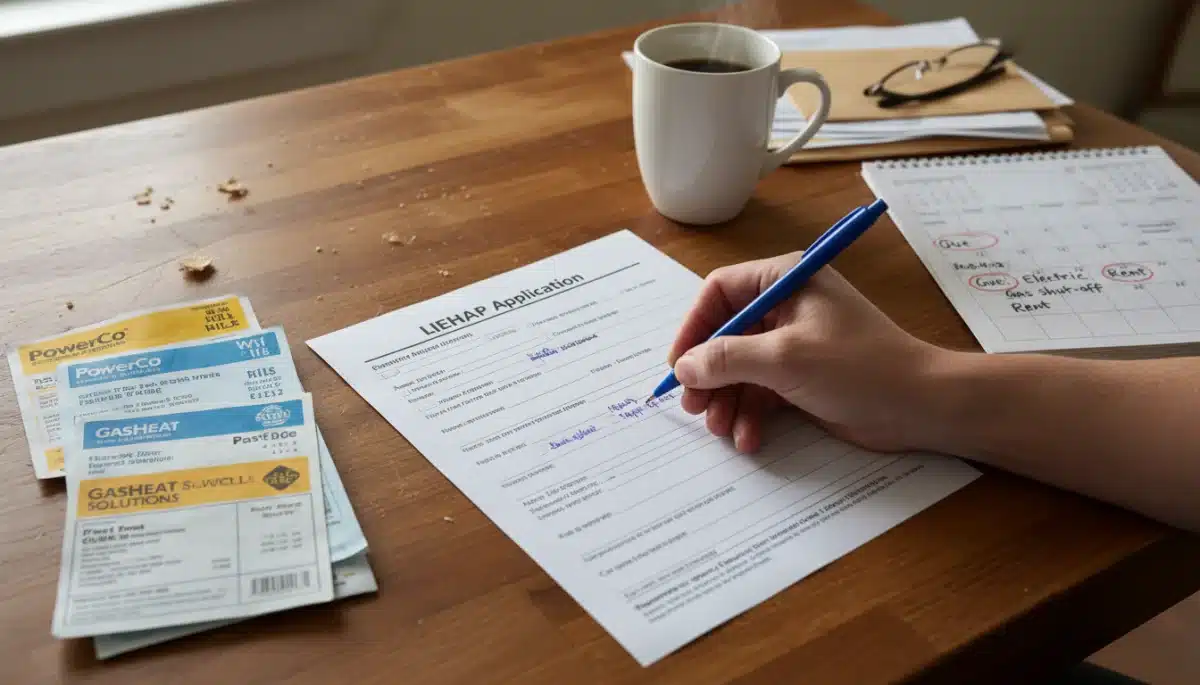
Critical Application Deadlines for Winter 2026
The most crucial aspect of applying for the Low-Income Home Energy Assistance Program is being aware of the application deadlines, especially for the upcoming winter season of 2026. These deadlines are not universal; they are set by individual states and often by specific local agencies, reflecting varying levels of funding, seasonal needs, and administrative capacities. Missing a deadline can mean missing out on essential assistance when you need it most.
Many states open their LIHEAP application periods in the fall, typically around October or November, to prepare for the peak winter heating season. However, some states may have earlier or later start dates, and some operate on a first-come, first-served basis until funds are exhausted. This makes proactive research absolutely vital. Do not assume deadlines are the same as previous years.
Why Deadlines Vary and How to Find Yours
The variability in deadlines is often due to the differing climates across the United States, the availability of state-specific funding, and administrative capacities of local agencies. A state with harsher winters might open applications earlier and have different cut-off dates than a state with milder temperatures.
- State Energy Offices: Your state’s energy office website is often the most reliable source for statewide LIHEAP information, including application periods.
- Local Community Action Agencies: These agencies are typically on the front lines of LIHEAP distribution and can provide hyper-local deadline information.
- Utility Providers: Some utility companies collaborate with LIHEAP and may provide information on application deadlines to their customers.
- Official LIHEAP Website: The federal LIHEAP website provides links and resources to state-specific programs, which can then lead you to local deadlines.
It is strongly recommended to contact your local LIHEAP office as early as possible, ideally in late summer or early fall, to inquire about the exact application opening dates and deadlines for the 2026 winter season. Early application is often beneficial, as funds can be limited.
Maximizing Your LIHEAP Benefits and Avoiding Pitfalls
Securing LIHEAP assistance can significantly alleviate the burden of energy costs, but understanding how to maximize your benefits and avoid common pitfalls is equally important. Simply applying is the first step; ensuring your application is complete, accurate, and submitted on time can prevent delays or denials.
One common mistake is submitting incomplete documentation. Agencies require specific proofs of income, residency, and household composition. Missing even one document can cause your application to be put on hold, potentially delaying aid until after winter’s peak or even causing you to miss a deadline. Double-checking all requirements before submission is crucial.
Tips for a Successful Application
Beyond meeting the basic eligibility, there are strategies you can employ to ensure a smoother application process and potentially higher benefit allocation. Being thorough and proactive is key to a positive outcome.
- Submit Early: Apply as soon as the application period opens. Funds are often limited and distributed on a first-come, first-served basis.
- Be Thorough: Carefully read all instructions and fill out every section of the application form completely and accurately.
- Gather All Documentation: Have all required documents (proof of income, ID, utility bills) ready before you start filling out the application.
- Keep Copies: Make copies of your entire application and all supporting documents for your records.
- Follow Up: If you don’t hear back within the expected timeframe, don’t hesitate to follow up with your local agency.
Additionally, inquire about other energy assistance programs available in your state or through your utility company. LIHEAP can sometimes be combined with other forms of aid, further reducing your energy burden. Many utility providers offer their own low-income discount programs or payment plans.
Beyond LIHEAP: Additional Energy Assistance Resources
While LIHEAP is a cornerstone of energy assistance for low-income households, it’s not the only resource available. Many states, local governments, and even private organizations offer supplementary programs that can provide additional relief. Exploring these options can create a more comprehensive support system for managing your energy costs, especially during the challenging winter months.
Utility companies themselves are often a great starting point for finding additional help. Many have their own assistance programs, budget billing options, or hardship funds designed to help customers in need. These programs might have different eligibility criteria or application processes than LIHEAP, potentially offering help even if you don’t qualify for federal aid.
Exploring Other Avenues for Support
A multi-faceted approach to seeking energy assistance can provide greater financial stability and peace of mind. Don’t limit your search to just one program; a combination of resources can be more effective.
- Utility Company Programs: Check with your electric, gas, and oil providers for their specific low-income assistance programs, crisis funds, or deferred payment options.
- State and Local Programs: Many states and municipalities have their own energy assistance initiatives that complement or extend beyond federal LIHEAP funding.
- Non-Profit Organizations: Charities and community organizations often provide emergency utility assistance or referrals to other helpful resources.
- Weatherization Assistance Program (WAP): This federal program helps low-income households reduce energy costs by making their homes more energy-efficient.
Staying informed about all available resources is crucial. Regularly checking state and local government websites, as well as contacting community outreach centers, can help you discover programs that can make a significant difference in your household budget and comfort.
Preparing for Winter 2026: A Proactive Approach to Energy Costs
Preparing for winter 2026 involves more than just knowing about LIHEAP; it requires a proactive approach to managing your home’s energy consumption and costs. By taking steps to reduce energy waste and planning ahead, you can lessen your reliance on assistance and create a more energy-efficient and comfortable living environment.
One of the most effective strategies is to conduct a home energy audit. This can be a professional service or a DIY inspection to identify areas where your home is losing heat. Simple fixes like sealing drafts around windows and doors, adding insulation, or upgrading to more energy-efficient lighting can lead to significant savings over time.
Energy-Saving Tips for Your Home
Implementing energy-saving practices doesn’t require a large upfront investment. Many small changes can collectively lead to substantial reductions in your monthly utility bills, making your home more affordable to heat and cool.
- Seal Drafts: Use caulk or weatherstripping around windows and doors to prevent heat loss.
- Adjust Thermostat: Lower your thermostat a few degrees in winter (and raise it in summer) when you’re away or asleep.
- Maintain Heating System: Schedule annual furnace tune-ups to ensure efficiency and catch potential issues early.
- Insulate: Check insulation in your attic, walls, and floors. Proper insulation is key to retaining heat.
- Use Natural Light and Heat: Open curtains during sunny winter days to let in natural heat, and close them at night to insulate.
By combining strategic energy conservation with timely application for programs like LIHEAP, low-income households can significantly improve their financial stability and maintain a warm, safe home throughout the winter season. Proactive planning is your best defense against high energy bills.
| Key Point | Brief Description |
|---|---|
| LIHEAP Purpose | Federally funded program assisting low-income households with heating and cooling costs to prevent energy crises. |
| Eligibility Factors | Primarily based on household income (150% of federal poverty or 60% state median), household size, and receipt of other federal benefits. |
| Application Deadlines | Vary by state and local agency; critical to research local deadlines for Winter 2026 early, often opening in fall. |
| Maximize Benefits | Apply early, ensure all documentation is accurate and complete, and explore supplementary state or utility assistance programs. |
Frequently Asked Questions About LIHEAP 2026
The Low-Income Home Energy Assistance Program (LIHEAP) aims to help low-income households pay for their energy bills, specifically heating and cooling costs. It’s designed to prevent energy crises, assist with weatherization, and provide immediate aid during emergencies like utility shut-offs.
Application deadlines for LIHEAP vary by state and local agency. The best way to find specific dates is to contact your state’s energy office, a local community action agency, or check the official federal LIHEAP website for links to your state’s program information. It’s advisable to inquire in late summer or early fall.
Generally, you will need proof of income for all household members (e.g., pay stubs, benefit letters), identification for everyone in the household, and recent utility bills. Some agencies might also request proof of residency. Always confirm the exact requirements with your local administering agency.
Yes, in many cases, households already receiving federal benefits such as SNAP (food stamps), TANF (Temporary Assistance for Needy Families), or SSI (Supplemental Security Income) are considered automatically income-eligible for LIHEAP. However, you still need to complete the application process with your local agency.
If your application is denied, you typically have the right to appeal the decision; contact your local agency for their specific appeal process. If delayed, follow up with the agency to check its status and provide any additional information requested promptly. Explore other state or utility-specific assistance programs.
Conclusion
The Low-Income Home Energy Assistance Program (LIHEAP) remains an indispensable resource for countless American households struggling with energy costs. As we look towards Winter 2026, the message is clear: proactive engagement and timely application are paramount. Understanding your eligibility, gathering necessary documentation, and, most critically, identifying and adhering to your local application deadlines can ensure that your home remains warm, safe, and affordable. Beyond LIHEAP, a wealth of supplementary programs and energy-saving strategies exist to further alleviate financial strain. By combining these resources, families can navigate the colder months with greater confidence and comfort, securing the essential support they need.