LinkedIn for US Jobs: 9 Profile Optimizations for 2026 Success

To effectively leverage LinkedIn for US job opportunities in 2026, optimize your profile to enhance visibility, attract top recruiters, and strategically position yourself for career advancement.
Are you ready to elevate your career prospects in the United States? In the competitive US job market of 2026, mastering your online presence is non-negotiable. This article will guide you through Leveraging LinkedIn for US Jobs: 9 Profile Optimizations for 2026 Success, ensuring your profile stands out to top recruiters and hiring managers.
Crafting an Irresistible Headline and Summary
Your LinkedIn headline and summary are often the first elements recruiters see, making them crucial for capturing attention. In 2026, these sections need to be more than just a job title; they must be a compelling narrative that showcases your unique value proposition and career aspirations, especially when targeting US-based roles.
Think of your headline as your personal brand statement. It should clearly articulate your current role or desired role, along with key skills or specializations that set you apart. Avoid generic phrases and instead, use industry-specific keywords that recruiters in the US are actively searching for. Your summary, on the other hand, is your opportunity to tell your professional story, highlighting achievements, passions, and what you bring to a team.
The Power of Keywords in Your Headline
Keywords are the backbone of LinkedIn’s search algorithm. For your headline, integrate relevant terms that align with the jobs you’re targeting. For instance, instead of just “Marketing Manager,” consider “Digital Marketing Manager | SEO & Content Strategy | Driving Growth for SaaS Companies.” This instantly communicates your expertise and niche.
- Identify 3-5 core keywords relevant to your target roles.
- Integrate keywords naturally into your headline, avoiding keyword stuffing.
- Use a vertical bar (|) to separate distinct skill sets or areas of expertise for readability.
Developing a Story-Driven Summary
Your summary should be a concise, engaging narrative, not just a list of responsibilities. Start with a strong opening that grabs attention, then elaborate on your career journey, key accomplishments, and future goals. Quantify your achievements whenever possible to demonstrate impact.
For example, instead of saying “Responsible for sales,” try “Consistently exceeded sales targets by an average of 15% through strategic client relationship management and innovative product presentations.” This provides concrete evidence of your capabilities. Conclude your summary with a clear call to action or a statement about the type of opportunities you’re seeking, making it easier for recruiters to understand your intentions.
An optimized headline and summary are your digital handshake, introducing you to potential employers and setting the stage for a deeper exploration of your profile. By focusing on keywords and storytelling, you can significantly increase your visibility and appeal in the US job market.
Optimizing Your Experience Section for Impact
The experience section on your LinkedIn profile is more than just a chronological list of past jobs; it’s a dynamic portfolio of your professional achievements. To truly stand out in the US job market in 2026, each entry needs to be meticulously crafted to highlight your contributions and demonstrate measurable results, rather than merely listing duties.
Recruiters spend considerable time reviewing this section, looking for evidence of impact and alignment with their hiring needs. Therefore, it’s essential to move beyond generic job descriptions and focus on specific accomplishments that showcase your skills and value to a prospective employer.
Quantifying Achievements with Data
The most compelling way to demonstrate impact is through quantification. Whenever possible, use numbers, percentages, and metrics to illustrate your successes. This provides concrete evidence of your capabilities and makes your contributions tangible and impressive.
- Increased revenue by X%.
- Reduced costs by Y%.
- Managed teams of Z individuals.
- Improved efficiency by A%.
For example, instead of “Managed social media campaigns,” write “Developed and executed social media campaigns that resulted in a 30% increase in brand engagement and generated 500+ qualified leads within six months.” This transformation from a task to an achievement makes a significant difference.
Tailoring Descriptions to Target Roles
While your past experiences are fixed, the way you describe them can be tailored to resonate with the specific roles you’re pursuing. Review job descriptions for your target positions and identify common keywords and required skills. Then, revise your experience entries to emphasize how your past work aligns with those requirements.
This doesn’t mean fabricating information, but rather strategically highlighting the most relevant aspects of your previous roles. If a target job emphasizes project management, ensure your experience section clearly details projects you’ve led, your responsibilities, and the outcomes. This proactive approach helps recruiters see you as an ideal fit for their open positions.
By focusing on quantified achievements and tailoring your descriptions, your experience section transforms into a powerful testament to your professional capabilities, significantly boosting your chances of attracting desirable US job opportunities.
Highlighting Skills and Endorsements Strategically
Your skills section on LinkedIn serves as a critical signal to recruiters, indicating your areas of expertise. In 2026, merely listing skills isn’t enough; you need to strategically curate them and actively seek endorsements to validate your proficiency. This section directly influences your visibility in recruiter searches and reinforces your professional brand for US job applications.
Think of your skills as keywords that make you searchable. Recruiters frequently use skill filters to narrow down candidate pools. Therefore, ensuring your skills are relevant, up-to-date, and well-supported by endorsements can significantly increase your chances of being discovered and considered for suitable roles.
Curating a Relevant Skill Set
Review your skills section regularly and remove any that are no longer relevant to your career goals or are outdated. Focus on a mix of hard skills (e.g., Python, SEO, financial modeling) and soft skills (e.g., leadership, communication, problem-solving) that are highly valued in your target industries within the US.
Pay close attention to the skills listed in job descriptions for positions you aspire to. If you possess those skills, add them to your profile. LinkedIn allows you to feature your top skills, so ensure these are the ones that best represent your capabilities and align with your desired career path.
Leveraging Endorsements for Credibility
Endorsements from peers, colleagues, and managers add significant credibility to your listed skills. They act as social proof, validating your expertise in the eyes of potential employers. Actively seek endorsements for your most critical skills from people who can genuinely attest to your proficiency.
- Reach out to former colleagues and supervisors for endorsements.
- Offer to endorse others for skills you genuinely know they possess.
- Prioritize endorsements for skills most relevant to your target roles.
A profile with numerous, high-quality endorsements for key skills signals to recruiters that you are not only proficient but also recognized by your network as an expert. This can be a significant differentiator in the competitive US job market, making your profile more attractive and trustworthy.
Engaging with Content and Industry Leaders
LinkedIn is not just a digital resume; it’s a vibrant professional network. Actively engaging with content and industry leaders is a powerful way to increase your visibility, demonstrate your expertise, and build meaningful connections, all of which are vital for securing US jobs in 2026. Your activity on the platform shows recruiters you are engaged, informed, and passionate about your field.
Beyond simply browsing, participating in discussions and sharing insights positions you as a thought leader and a valuable contributor to your industry. This proactive engagement can open doors to opportunities that might not be advertised publicly, as you become known within your professional circles.
Sharing Thought-Provoking Content
Regularly share articles, insights, and news related to your industry. This demonstrates your awareness of current trends and your commitment to continuous learning. When sharing, add your own commentary or analysis to provide additional value and spark discussion.
Consider writing your own articles on LinkedIn Pulse. This allows you to delve deeper into topics, showcase your unique perspective, and establish yourself as an authority. Original content creation can significantly boost your profile’s reach and attract attention from key industry players and recruiters.
Participating in Relevant Groups and Discussions
Join LinkedIn groups that are relevant to your industry, target roles, or professional interests. These groups are excellent forums for networking, learning, and staying updated on industry news. Actively participate in discussions by asking insightful questions, offering helpful advice, and sharing your experiences.
- Join 3-5 active and relevant industry groups.
- Contribute regularly to discussions, providing value.
- Network with other members, building professional relationships.
Engaging with industry leaders by commenting on their posts, sharing their content, or even sending a thoughtful connection request can also elevate your profile. This kind of interaction demonstrates initiative and a genuine interest in your field, making you a more attractive candidate for US employers seeking engaged and proactive professionals.
Building a Powerful Professional Network
In the US job market of 2026, your network is undeniably your net worth. LinkedIn offers unparalleled opportunities to build and nurture a powerful professional network that can significantly impact your career trajectory. A robust network provides access to hidden job opportunities, valuable insights, and mentorship, all crucial elements for success.
Connecting strategically goes beyond simply adding contacts; it involves cultivating genuine relationships and engaging meaningfully with your connections. This approach transforms your network from a list of names into a dynamic support system for your career growth.
Connecting with Purpose
Focus on connecting with individuals who are relevant to your career goals. This includes recruiters in your target industries, hiring managers at companies you admire, industry leaders, and peers who can offer support and insights. When sending a connection request, always include a personalized message explaining why you want to connect and how you know them or why you admire their work.
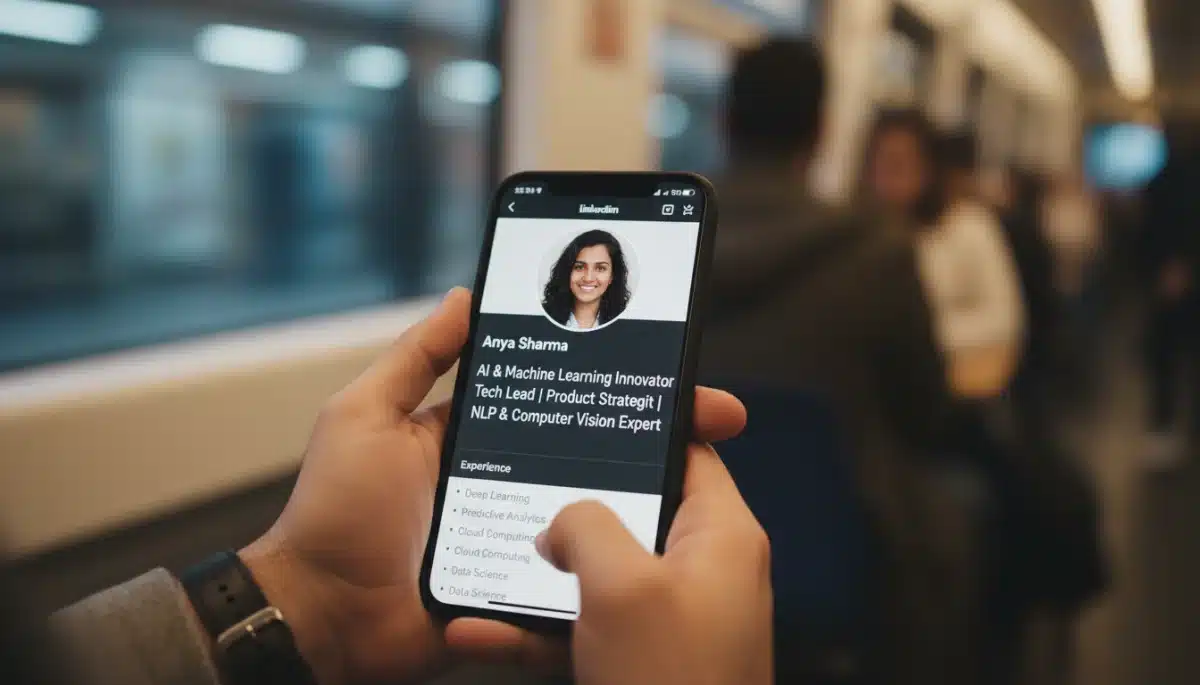
Avoid generic requests, as they are often ignored. A personalized message shows respect and genuine interest, making it more likely that your request will be accepted and remembered.
Nurturing Your Network
Building a network is an ongoing process that requires nurturing. Don’t just connect and forget. Regularly engage with your connections by liking their posts, commenting thoughtfully, sharing their content, and offering assistance when appropriate. This consistent interaction keeps you top-of-mind and strengthens your professional relationships.
- Congratulate connections on work anniversaries or new roles.
- Share relevant articles or resources with specific connections.
- Offer to help connections with introductions or advice when you can.
Participate in virtual events, webinars, and online conferences to meet new people and expand your network. Remember, networking is a two-way street; be prepared to give as much as you receive. A well-maintained and active network can be your greatest asset in navigating the complexities of the US job market and uncovering exciting new opportunities.
Requesting Recommendations and Endorsements
Recommendations and skill endorsements on LinkedIn are powerful social proof, offering third-party validation of your professional capabilities and work ethic. For job seekers in the US market in 2026, these elements are more crucial than ever, as they provide tangible evidence of your strengths and trustworthiness to potential employers.
While skills endorsements quickly show proficiency, detailed recommendations from former managers, colleagues, or clients offer rich insights into your specific contributions, interpersonal skills, and overall impact. They transform your profile from a self-proclaimed expert to one with verified credibility.
Strategically Soliciting Recommendations
Don’t wait for recommendations to come to you; proactively request them from individuals who can speak to your strengths and achievements. Target people you’ve worked closely with, especially those who can highlight skills relevant to your desired roles. When making a request, personalize your message and remind them of specific projects or contributions you made together.
For example, you might say: “I’m updating my LinkedIn profile and would be grateful if you could write a brief recommendation about my project management skills, particularly regarding the XYZ project we completed last year.” This guidance makes it easier for them to write a focused and impactful recommendation.
Utilizing Endorsements for Skill Validation
Beyond recommendations, actively manage your skill endorsements. LinkedIn allows you to reorder your skills, so place your most relevant and highly endorsed skills at the top. This ensures that recruiters immediately see your strongest qualifications. Make it a point to reciprocate endorsements for connections whose skills you can genuinely vouch for.
- Identify 5-10 key skills you want to be endorsed for.
- Regularly check your endorsements and send polite reminders for missing ones.
- Ensure endorsements are from credible sources, adding more weight to your profile.
A profile rich with thoughtful recommendations and numerous relevant endorsements signals to US recruiters that you are not only skilled but also a valued and respected professional. This external validation can significantly differentiate you from other candidates and enhance your appeal for competitive roles.
Showcasing Your Work with a Rich Media Portfolio
In 2026, a static LinkedIn profile is a missed opportunity. To truly captivate US recruiters and hiring managers, you need to transform your profile into a dynamic portfolio that visually showcases your work, achievements, and unique talents. Rich media, such as videos, presentations, and project samples, brings your experience to life and provides tangible evidence of your capabilities.
This approach moves beyond simply describing what you’ve done; it allows you to demonstrate it. For creative professionals, marketers, developers, and even project managers, a visual representation of your work can be far more impactful than words alone, offering a compelling glimpse into your potential contributions.
Embedding Visual Evidence of Your Skills
LinkedIn allows you to upload or link to various forms of rich media directly within your experience, summary, and projects sections. Consider adding:
- Videos: Demos of products you’ve built, presentations you’ve given, or even a short personal introduction.
- Presentations: Slideshares, pitch decks, or workshop materials that highlight your expertise.
- Documents: Case studies, whitepapers, or reports that you authored or significantly contributed to.
- Images: Infographics, design mock-ups, or photographs of events you organized.
For example, if you’re a content strategist, embed links to your best-performing articles or a presentation on your content marketing framework. If you’re a software engineer, link to a GitHub repository or a video demonstrating a key feature you developed. These visual aids make your accomplishments undeniable.
Curating Relevant Project Samples
Use the ‘Projects’ section to detail significant endeavors you’ve undertaken, whether professional, academic, or volunteer. For each project, include a brief description of your role, the challenges you faced, the actions you took, and the quantifiable results. Crucially, attach relevant media that illustrates the project’s output.
This could be a screenshot of a website you designed, a link to a campaign you managed, or a PDF of a research paper. By providing direct access to your work, you allow recruiters to quickly assess the quality and scope of your contributions, making a stronger case for your candidacy in the competitive US job market.
| Key Optimization | Brief Description |
|---|---|
| Headline & Summary | Craft keyword-rich, compelling narratives to instantly capture recruiter attention. |
| Experience Section | Quantify achievements and tailor descriptions to align with target US job roles. |
| Network Building | Connect with purpose and nurture relationships for access to hidden job opportunities. |
| Rich Media Portfolio | Showcase work with videos, presentations, and project samples for visual impact. |
Frequently Asked Questions About LinkedIn for US Jobs
It’s advisable to review and update your LinkedIn profile at least quarterly, or whenever you gain new skills, complete significant projects, or change roles. For active job seekers, weekly checks for new opportunities and connections are beneficial to stay competitive in the dynamic US market.
For serious US job seekers, a LinkedIn Premium account can be highly beneficial. Features like InMail credits, deeper insights into job applicants, and access to LinkedIn Learning courses can provide a significant edge, allowing you to connect directly with recruiters and enhance your skill set.
A professional headshot is extremely important. It’s often the first visual impression a recruiter has of you. A high-quality, professional photo conveys credibility and attention to detail, making your profile more approachable and trustworthy to US hiring managers.
Absolutely. Volunteer experience, especially if it showcases relevant skills or leadership qualities, can significantly enhance your profile. Many US employers value community involvement and the transferable skills gained through volunteer work, making you a more well-rounded candidate.
To stand out, focus on a keyword-rich headline and summary, quantify your achievements in the experience section, actively engage with industry content, build a strong network, and include rich media to showcase your work. These combined efforts create a compelling and visible profile for US recruiters.
Conclusion
In the dynamic and competitive landscape of the US job market in 2026, a meticulously optimized LinkedIn profile is no longer a luxury but a necessity. By diligently applying these nine strategic optimizations, you transform your profile from a static resume into a dynamic, compelling professional narrative. Focusing on keyword integration, quantifiable achievements, active engagement, and network building will not only enhance your visibility to top recruiters but also establish your credibility and expertise. Embrace LinkedIn as a powerful tool for career advancement, and you will significantly increase your chances of securing your desired role and achieving long-term success in the American professional sphere.