Remote Work Revolution: 3 Skills for US High-Paying Jobs by 2026

To secure high-paying US remote jobs by 2026, individuals must cultivate strong digital proficiency, adaptive communication strategies, and demonstrate a results-driven autonomous work ethic essential for the evolving virtual economy.
The global pandemic accelerated a shift that was already underway, ushering in a profound remote work revolution: 3 essential skills to secure a high-paying US job by 2026 are now non-negotiable. As companies continue to embrace distributed teams, the landscape for employment in the United States is rapidly evolving. This transformation isn’t just about where we work, but how we work, demanding a fresh set of competencies from the modern professional. Understanding these pivotal skills is not merely an advantage; it’s a critical necessity for anyone aiming to thrive and secure lucrative opportunities in the burgeoning remote economy. The future of work is here, and it demands preparation.
Understanding the Remote Work Paradigm Shift
The transition to remote work has been more than a temporary adjustment; it represents a fundamental paradigm shift in how businesses operate and how individuals approach their careers. This shift offers unparalleled flexibility and access to a broader talent pool, but it also introduces new challenges and requirements. For employees, it means taking greater ownership of their work environment and development. For employers, it necessitates a recalibration of management strategies and a focus on outcomes rather than oversight. The implications are far-reaching, influencing everything from urban planning to individual well-being.
This evolution is not uniform across all industries. While tech and knowledge-based sectors have largely spearheaded the remote transition, other fields are progressively adapting, driven by technological advancements and changing employee expectations. The concept of a traditional office is being redefined, often becoming a hub for collaboration and culture rather than the primary site for daily tasks. This dynamic environment requires a continuous learning mindset, where professionals must anticipate and adapt to emerging trends and tools. The ability to navigate this new terrain effectively is paramount for sustained career growth.
The Economic Impact of Remote Work on the US Market
- Increased geographical hiring: Companies are no longer limited by physical location, accessing talent nationwide.
- Reduced operational costs: Businesses save on office space, utilities, and other overheads.
- Boosted regional economies: Remote workers can choose to live in less expensive areas, stimulating local economies outside major metropolitan centers.
The economic ramifications of this shift are profound, impacting everything from real estate markets to local service industries. As more individuals move away from traditional urban centers, new opportunities arise in suburban and rural areas. This decentralization of the workforce can lead to a more equitable distribution of economic prosperity across different regions of the country. Consequently, understanding these broader economic trends is crucial for positioning oneself advantageously in the remote job market. The shift is not just about individual careers; it’s about reshaping the economic fabric of the nation.
Ultimately, the remote work paradigm shift underscores the importance of adaptability and foresight. Those who recognize and prepare for these changes will be best positioned to capitalize on the opportunities presented by this new era of work. It’s about more than just having a reliable internet connection; it’s about cultivating a holistic skill set that aligns with the demands of a distributed, digital-first workforce. The future rewards those who are proactive in their professional development.
Skill 1: Advanced Digital Proficiency and Tool Mastery
In the remote work landscape, digital proficiency is no longer a niche requirement; it’s the foundational bedrock upon which all other skills are built. This goes beyond basic computer literacy, encompassing a deep understanding and fluent application of a wide array of digital tools and platforms. From sophisticated project management software to advanced communication suites and data analytics applications, the ability to seamlessly navigate and leverage these technologies is crucial. Employers seek individuals who can not only use these tools but can also optimize their usage to enhance productivity and collaboration within a distributed team environment.
Mastery of these tools implies more than just knowing how to click buttons; it involves understanding the underlying principles of digital collaboration, data security, and efficient workflow management. This often requires a proactive approach to learning new software and staying updated with technological advancements. The remote worker of 2026 will be a digital chameleon, capable of adapting to new platforms and functionalities with minimal friction, ensuring continuous operational efficiency.
Key Digital Tools and Platforms for Remote Success
- Project Management Software: Asana, Trello, Jira, Monday.com for tracking tasks and workflows.
- Communication & Collaboration Suites: Slack, Microsoft Teams, Zoom, Google Workspace for seamless interaction.
- Cloud Storage & Document Sharing: Dropbox, Google Drive, OneDrive for secure file management.
- Data Analysis & Visualization: Tableau, Power BI, Google Analytics for informed decision-making.
Furthermore, digital proficiency extends to cybersecurity awareness. Remote employees are often the first line of defense against cyber threats, making knowledge of secure practices, data privacy, and phishing prevention essential. Companies are increasingly investing in training their remote workforce on these critical aspects to safeguard sensitive information. A high-paying remote job will often require candidates to demonstrate not only their technical prowess but also their commitment to maintaining a secure digital environment, protecting both company and client data with utmost diligence. This vigilance contributes significantly to trustworthiness.
Ultimately, advanced digital proficiency isn’t just about technical skills; it’s about a mindset that embraces technology as an enabler for efficiency, collaboration, and security. Those who can demonstrate a comprehensive understanding and practical application of these digital competencies will distinguish themselves in a competitive remote job market. It’s about being a digital native, not just a digital user, capable of shaping the digital workspace rather than merely existing within it. This expertise translates directly into higher value for employers and, consequently, higher compensation.
Skill 2: Adaptive Communication and Virtual Collaboration
Effective communication has always been a cornerstone of professional success, but in a remote setting, its nature transforms significantly. Adaptive communication in remote work means mastering various digital channels, from asynchronous text-based platforms to synchronous video conferences, and knowing when to use each effectively. It’s about clarity, conciseness, and empathy, recognizing that non-verbal cues are often absent or subtle in virtual interactions. The ability to convey messages accurately and ensure understanding across different time zones and cultural backgrounds becomes paramount.
Virtual collaboration extends beyond mere communication; it encompasses the active participation in shared digital workspaces, contributing to collective goals, and fostering a sense of team cohesion without physical proximity. This requires a proactive approach to engagement, offering feedback, and supporting colleagues. High-paying remote roles demand individuals who can not only perform their tasks independently but also integrate seamlessly into virtual teams, leveraging digital tools to maintain strong working relationships and drive projects forward. It’s about building virtual bridges, not just sending messages.
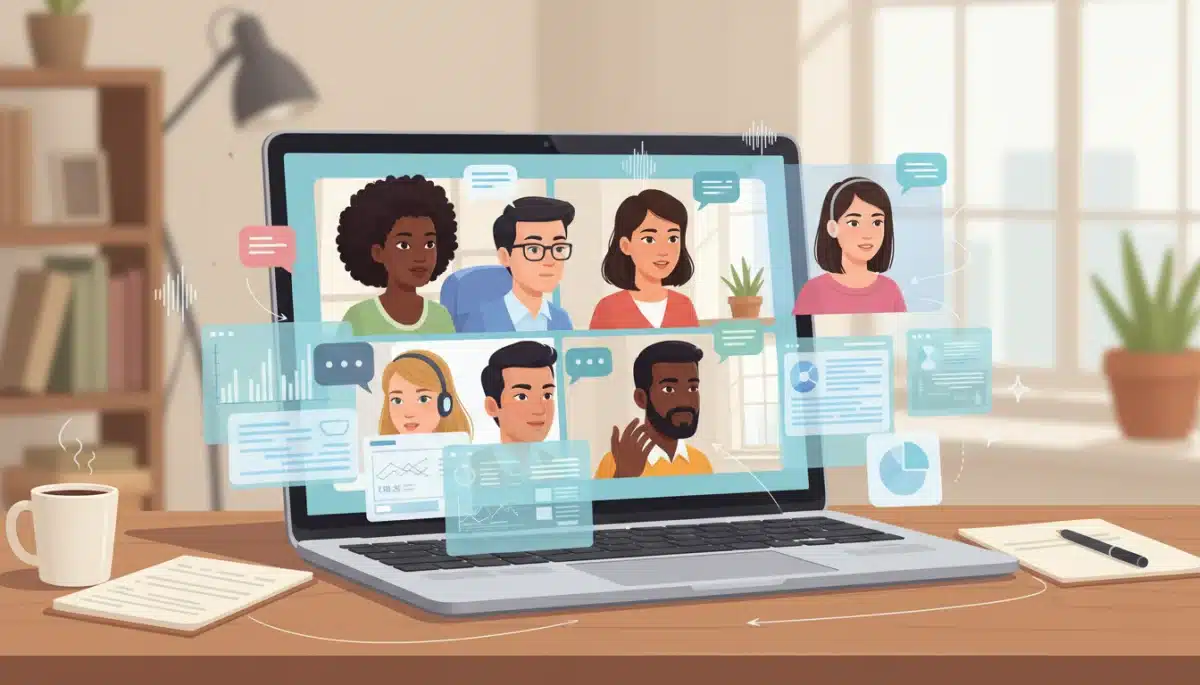
One critical aspect of adaptive communication is active listening in virtual environments. This means paying close attention during video calls, asking clarifying questions, and summarizing discussions to confirm understanding. It also involves being responsive to text-based communications, providing timely updates, and acknowledging receipt of information. Misunderstandings can easily arise without the immediate feedback of in-person interactions, so remote professionals must be diligent in ensuring their messages are received and interpreted correctly. This attention to detail builds trust and reduces errors.
Strategies for Enhanced Virtual Collaboration
To excel in virtual collaboration, professionals should focus on several key areas:
- Structured Agendas for Meetings: Clearly outline objectives and expected outcomes for all virtual gatherings.
- Proactive Documentation: Record decisions, action items, and progress in shared documents accessible to all team members.
- Feedback Loops: Establish regular channels for constructive criticism and appreciation to foster continuous improvement.
- Cultural Sensitivity: Be aware of diverse communication styles and norms across different backgrounds and geographies.
Ultimately, adaptive communication and virtual collaboration are about creating a sense of presence and connection despite physical distance. It requires a conscious effort to build rapport, maintain transparency, and ensure everyone feels heard and valued. Professionals who master this skill will not only perform their individual duties effectively but will also contribute significantly to the overall success and morale of their remote teams, making them invaluable assets in any high-paying remote position. This human element, amplified by digital tools, is what truly defines successful remote teams.
Skill 3: Results-Driven Autonomy and Self-Management
Perhaps the most defining characteristic of a successful remote professional is their capacity for results-driven autonomy and exceptional self-management. In the absence of direct supervision, individuals must demonstrate a strong internal drive, an unwavering commitment to achieving objectives, and the discipline to manage their time and tasks effectively. This isn’t just about working independently; it’s about taking full ownership of projects, proactively identifying solutions, and consistently delivering high-quality outcomes without constant oversight. Employers seeking high-paying remote talent prioritize those who can operate as self-starters, requiring minimal direction.
Self-management in a remote context involves a blend of time management, prioritization, and self-motivation. It means setting clear personal goals, structuring one’s workday to maximize productivity, and maintaining a healthy work-life balance even when the office is just steps away. Developing robust organizational habits, such as creating daily to-do lists, utilizing productivity apps, and scheduling regular breaks, becomes essential. The ability to stay focused and avoid distractions in a home environment is a skill that must be cultivated and refined over time. This discipline directly impacts output and reliability.
Cultivating Autonomous Work Habits
Developing strong autonomous work habits is crucial for remote success:
- Goal Setting: Define clear, measurable, achievable, relevant, and time-bound (SMART) objectives for each task and project.
- Time Blocking: Allocate specific time slots for focused work, meetings, and breaks to optimize productivity.
- Proactive Problem Solving: Identify potential roadblocks and propose solutions before they escalate into major issues.
- Accountability: Take responsibility for successes and failures, learning from experiences to improve future performance.
Moreover, results-driven autonomy also entails a proactive approach to professional development. Remote professionals are often responsible for identifying their own skill gaps and seeking out opportunities for continuous learning. This might involve enrolling in online courses, attending virtual workshops, or engaging with industry communities. The ability to independently acquire new knowledge and adapt to evolving job requirements is a hallmark of a valuable remote employee. This initiative demonstrates a commitment to excellence and a desire to contribute at the highest level, justifying a higher salary.
In essence, results-driven autonomy and self-management are about becoming your own best manager. It’s about having the maturity and responsibility to deliver consistent value, even when physically disconnected from your team. Those who can reliably produce high-quality work, manage their time efficiently, and continuously seek self-improvement will find themselves in high demand for the most lucrative remote positions in the US job market by 2026. This skill set is a direct reflection of a professional’s reliability and inherent value.
Navigating the Remote Job Market by 2026
The remote job market in the US is projected to continue its robust growth through 2026, offering unprecedented opportunities for skilled professionals. However, navigating this evolving landscape requires more than just possessing the right skills; it demands a strategic approach to job searching, networking, and personal branding. Understanding where to look for remote roles, how to tailor applications effectively, and how to stand out in a competitive virtual environment are all critical components of a successful job search. This market rewards those who are proactive and well-informed.
One key aspect of navigating this market is identifying industries and companies that are fully embracing remote work. While tech remains a leader, sectors like healthcare, finance, marketing, and education are also expanding their remote offerings. Researching companies’ remote work policies, culture, and technological infrastructure can provide valuable insights into potential employers. Furthermore, understanding the specific demand for your skill set within these remote-friendly industries will help you target your efforts more effectively. The more aligned your skills are with industry needs, the higher your chances of securing a desirable position.
Strategies for a Successful Remote Job Search
- Optimize Your Online Presence: Ensure your LinkedIn profile, resume, and portfolio clearly highlight remote-friendly skills and experiences.
- Leverage Remote Job Boards: Utilize specialized platforms like Remote.co, FlexJobs, and We Work Remotely, in addition to general job sites.
- Network Virtually: Engage with professionals in your field through online communities, virtual conferences, and professional groups.
Another crucial element is tailoring your application materials. Generic resumes and cover letters will likely be overlooked. Instead, highlight instances where you’ve demonstrated digital proficiency, adaptive communication, and autonomous work in previous roles. Quantify your achievements whenever possible, showcasing the tangible results you’ve delivered while working remotely or in a self-directed capacity. This targeted approach signals to potential employers that you understand the unique demands of remote work and are well-prepared to meet them. Personalization is key to making an impact.
Ultimately, successfully navigating the remote job market by 2026 is about being strategic and tenacious. It involves continuous learning, effective self-promotion, and a keen awareness of market trends. Professionals who actively cultivate the essential remote work skills and apply a focused approach to their job search will be well-positioned to secure high-paying roles and thrive in the future of work. The opportunities are vast for those who are ready to seize them with confidence and competence.
Building a Future-Proof Remote Career Path
Building a future-proof remote career path extends beyond merely securing a job; it involves a continuous commitment to growth, adaptation, and strategic planning. The remote work landscape is dynamic, with new technologies and methodologies emerging regularly. Therefore, professionals must adopt a mindset of lifelong learning, consistently updating their skill sets and staying abreast of industry innovations. This proactive approach ensures relevance and opens doors to even higher-paying opportunities as the market evolves. A static skill set in a dynamic environment is a recipe for stagnation.
One critical aspect of future-proofing is specialization coupled with versatility. While deep expertise in a particular area is valuable, the ability to apply that expertise across different tools, platforms, and project types enhances marketability. For instance, a software engineer specializing in Python might also learn Go or Rust to remain adaptable. Similarly, a marketing professional might specialize in content strategy but also gain proficiency in SEO tools and analytics platforms. This blend of depth and breadth makes individuals highly valuable in diverse remote settings.
Key Pillars for Long-Term Remote Career Growth
- Continuous Skill Reinforcement: Regularly engage in online courses, certifications, and workshops to keep skills sharp.
- Mentorship and Networking: Seek guidance from experienced remote professionals and build a strong professional network.
- Personal Brand Development: Cultivate a strong online presence that showcases your expertise and remote work capabilities.
- Feedback Integration: Actively solicit and incorporate feedback to refine your performance and professional approach.
Another crucial element is developing strong soft skills that complement technical abilities. While digital proficiency is essential, attributes like emotional intelligence, problem-solving, critical thinking, and creativity become even more pronounced in remote environments. The ability to collaborate effectively, resolve conflicts virtually, and innovate independently are highly sought after. These human-centric skills are often difficult to automate and provide a competitive edge that technology alone cannot replicate. They are the glue that holds remote teams together.
In conclusion, building a future-proof remote career path is an ongoing journey of self-improvement and strategic development. It requires a holistic approach that balances technical expertise with essential soft skills, all underpinned by a commitment to continuous learning. By consistently investing in these areas, professionals can not only secure high-paying remote roles by 2026 but also establish a resilient and rewarding career trajectory that thrives amidst future changes. The remote revolution offers a chance to redefine professional success on one’s own terms, but it demands consistent effort and foresight.
Challenges and Opportunities in the Remote Landscape
While the remote work revolution presents numerous advantages, it also comes with its own set of challenges that professionals must be prepared to address. These can range from maintaining work-life boundaries to combating feelings of isolation and ensuring consistent productivity without the structure of a traditional office. Understanding these potential pitfalls is the first step towards mitigating them and transforming them into opportunities for personal and professional growth. Acknowledging challenges allows for proactive solutions.
One significant challenge is the potential for burnout. The blurring lines between home and work can lead to extended hours and a constant feeling of being ‘on.’ Remote professionals must intentionally create routines, set clear boundaries, and practice self-care to prevent exhaustion. This often involves designating a specific workspace, adhering to a strict schedule, and taking regular breaks. Companies are also increasingly recognizing this issue and implementing policies to support employee well-being, but individual responsibility remains paramount. Self-discipline is crucial for long-term sustainability.
Overcoming Common Remote Work Hurdles
- Combatting Isolation: Actively participate in virtual team activities and seek out online professional communities.
- Maintaining Focus: Utilize productivity techniques like the Pomodoro method and minimize digital distractions.
- Ensuring Work-Life Balance: Establish clear start and end times for your workday and stick to them diligently.
- Managing Communication Overload: Prioritize messages and allocate specific times for checking emails and chat platforms.
However, these challenges also present unique opportunities. The flexibility of remote work can lead to greater autonomy, allowing individuals to tailor their work environment to their preferences, which can boost creativity and job satisfaction. The absence of a daily commute frees up valuable time that can be reinvested in personal development, hobbies, or family. Moreover, the distributed nature of remote teams fosters a more inclusive environment, breaking down geographical barriers and promoting diversity in the workforce. This broadens perspectives and enriches collaboration.
The demand for specialized skills in managing remote teams and fostering virtual culture is also growing, creating new leadership opportunities. Professionals who can effectively bridge the gap between technology and human connection, ensuring seamless operations and high team morale in a distributed setting, will be highly valued. This involves a deep understanding of remote psychology, change management, and innovative HR practices. The remote landscape is not just about adapting; it’s about pioneering new ways of working and leading. Those who embrace these opportunities will define the future of work.
| Key Skill | Brief Description |
|---|---|
| Advanced Digital Proficiency | Mastery of various digital tools, platforms, and cybersecurity practices for efficient remote work. |
| Adaptive Communication | Clear and effective virtual interaction across platforms, fostering collaboration and understanding. |
| Results-Driven Autonomy | Self-motivation, time management, and accountability for delivering high-quality outcomes independently. |
| Strategic Career Planning | Continuous learning, networking, and personal branding to navigate the evolving remote job market. |
Frequently Asked Questions About Remote Work Skills
Advanced digital proficiency is paramount, encompassing mastery of collaboration tools, project management software, and cybersecurity awareness. This foundational skill enables seamless operation and productivity in a virtual environment, making it indispensable for high-value remote roles across various industries in the US.
Focus on clarity and conciseness in all virtual interactions, practice active listening during video calls, and learn to utilize asynchronous communication effectively. Engage in virtual team projects, seek feedback on your communication style, and adapt your approach to different digital channels for improved collaboration.
It means taking full ownership of your tasks, managing your time independently, and consistently delivering high-quality outcomes without constant supervision. This involves strong self-motivation, effective time management, proactive problem-solving, and a commitment to meeting deadlines and objectives on your own initiative.
Absolutely. While technical skills are essential, soft skills like emotional intelligence, critical thinking, problem-solving, and adaptability are equally, if not more, crucial for remote success. They enable effective virtual collaboration, conflict resolution, and sustained productivity, making you a well-rounded and valuable remote employee.
Regularly read industry publications, subscribe to tech and remote work blogs, and participate in online professional communities. Enroll in relevant online courses or webinars, and actively experiment with new tools as they emerge. Continuous learning is vital for maintaining a competitive edge in the evolving remote landscape.
Conclusion
The remote work revolution is not a fleeting trend but a fundamental shift that is reshaping the US job market. To secure high-paying positions by 2026, professionals must proactively cultivate advanced digital proficiency, master adaptive communication and virtual collaboration, and embody results-driven autonomy and self-management. These three essential skills form the bedrock of success in a distributed workforce, enabling individuals to not only adapt but to thrive and lead in the evolving professional landscape. The future belongs to those who embrace continuous learning and strategic skill development, positioning themselves as indispensable assets in the new era of work.